Plant Cell Division Without Centrioles / Biology diagram worksheet / Centrioles are found in all animal cells and only a few species of lower plant cells.
byGertrud Landt-
0
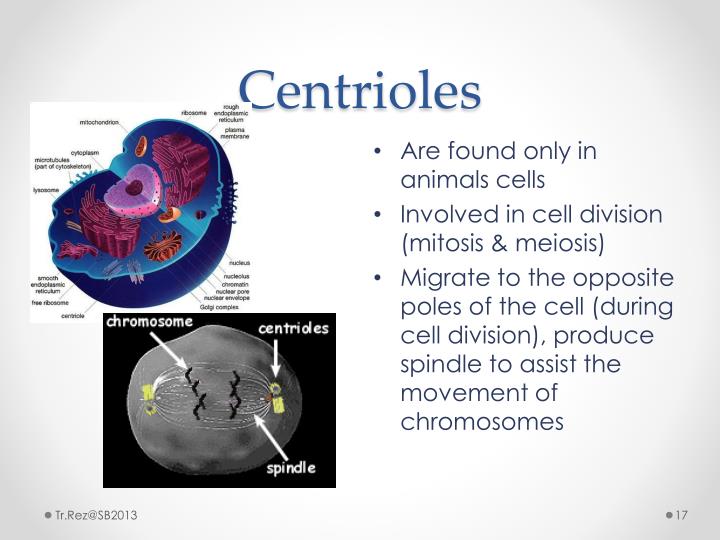
Plant Cell Division Without Centrioles / Biology diagram worksheet / Centrioles are found in all animal cells and only a few species of lower plant cells.. Centrioles and centrosomes have an important role in animal cell organization, but it is uncertain to what extent they are essential for animal development. Without centriole's, the chromosomes would not be able to move. The process of mitosis (cell division) is explained. In these plants, then, cells do not use centrioles during cell division. Centrioles help to organize the assembly of microtubules during cell division.
Despite minor differences, mitosis is basically the same for plant and animal cells. Without centriole's, the chromosomes would not be able to move. Centrioles play a notable role in cell division. Cell division cell division is the basis of life itself; This study provides data on cell division in coleochaete orbicularis, an important taxon in evolutionary theories deriving land plants from green algae.
PPT - CHAPTER 2 : CELL STRUCTURE & CELL ORGANISATION ... from image1.slideserve.com This helps in equal distribution of the genetic material among daughter cells. Centrioles are found in most eukaryotic cells, but are not present in conifers (pinophyta), flowering plants (angiosperms) and most fungi, and are only present in the male gametes of charophytes. This is known as endoreduplication, which is shown by more than 80. Centrioles are found in most animal eukaryotic cells, but are absent in higher plants and fungi. Centrioles are barrel shaped and found in animal cells. Without centrioles, chromosomes would not be able to move during the formation of new cells. Dividing plant cells lack centrioles. What are centrioles and can we survive without them?
Cell division cell division is the basis of life itself;
Instead of a cleavage furrow, the two cells are separated by a series of vesicles derived from the golgi. They replicated during mitosis and produce spindle fibers. These are exactly similar to each other as well as resemble the parent cell. Cell division requires sever proteins as factors for initiation and progression. Each and every aspect of the cell must be replicated perfectly, and since the centrioles play such an important role in this duplication, they duplicate themselves first. The future division site is marked by a ppb in all taxa but the. The process of mitosis (cell division) is explained. The centrioles play active roles in almost every phase of cell division. It begins with the separation of centrioles of centrosome and their migration along the side of the nuclear membrane to the opposite poles. What are centrioles and can we survive without them? Once the two centrioles turn into four (and the single centrosome replicates itself), the rest of the cell. Centrioles are barrel shaped and found in animal cells. Researchers have, therefore, been very.
Centrioles are found in most animal eukaryotic cells, but are absent in higher plants and fungi. Centrioles and centrosomes have an important role in animal cell organization, but it is uncertain to what extent they are essential for animal development. Without centrioles, chromosomes would not be able to move during the formation of new cells. Thus a human cell without a centriole cannot divide. Centrioles migrate to the poles 3.
Describe Centrioles its structure and functions - Biology ... from i2.wp.com Despite minor differences, mitosis is basically the same for plant and animal cells. So, how do plant cells divide without centrioles? These vesicles fuse together along the midline and simultaneously secrete cellulose into the space between. The image above shows (a) how centrioles are. Cell division cell division is the basis of life itself; Centrioles are found in most animal eukaryotic cells, but are absent in higher plants and fungi. Plant cells lack centrioles, however, they are still able to form a mitotic spindle from the centrosome region of the cell just outside of the nuclear envelope. This is known as endoreduplication, which is shown by more than 80.
The main function of the centriole is to help with cell division in animal cells.
So, how do plant cells divide without centrioles? Each and every aspect of the cell must be replicated perfectly, and since the centrioles play such an important role in this duplication, they duplicate themselves first. Cell division is tricky business: Learners need to know the names of the phases and in cells without a nucleus (prokaryotic cells e.g. Once the two centrioles turn into four (and the single centrosome replicates itself), the rest of the cell. Apart from cell division, centrioles are also involved in the formation of cilia and flagella and thus contribute to cell movement. Plant cells lack centrioles, however, they are still able to form a mitotic spindle from the centrosome region of the cell just outside of the nuclear envelope. Thus a human cell without a centriole cannot divide. Centrioles are barrel shaped and found in animal cells. This is known as endoreduplication, which is shown by more than 80. Cell division normally occurs during the mitotic phase of the cell cycle. This occurs during the anaphase stage of mitosis in which the chromosomes move towards the different poles of the cell. Without centrioles, chromosomes would not be able to move during the formation of new cells.
In cell biology a centriole is a cylindrical organelle composed mainly of a protein called tubulin. Centrioles play a notable role in cell division. They replicated during mitosis and produce spindle fibers. Bacteria), there are many copies of the dna in plant cells there are no centrioles to move to the poles, so spindle fibres form in the cytoplasm. Centrioles are found in all animal cells and only a few species of lower plant cells.
Biology- Endomembrane system-II | askIITians from files.askiitians.com These are exactly similar to each other as well as resemble the parent cell. Plant cells which do not possess centrioles, during cytokinesis cells produce numerous membranous. The process of mitosis (cell division) is explained. In cell biology a centriole is a cylindrical organelle composed mainly of a protein called tubulin. This occurs during the anaphase stage of mitosis in which the chromosomes move towards the different poles of the cell. Plant cells require the production of new cell wall material between daughter cells. Cell division consists of two phases— nuclear division followed by cytokinesis.nuclear when a cell is not dividing, the chromatin is enclosed within a clearly defined nuclear envelope, one or more nucleoli are visible within the nucleus, and two centrosomes (each containing two centrioles) lie. Centrioles migrate to the poles 3.
Plant cells which do not possess centrioles, during cytokinesis cells produce numerous membranous.
Centrioles migrate to the poles 3. Apart from cell division, centrioles are also involved in the formation of cilia and flagella and thus contribute to cell movement. These vesicles fuse together along the midline and simultaneously secrete cellulose into the space between. It is how animals grow and reproduce. Cell division in plants occurs in meristems (topic c1) and involves two parts: In cell biology a centriole is a cylindrical organelle composed mainly of a protein called tubulin. The image above shows (a) how centrioles are. 6 nov 2019 by rajat lunawat. * while centrioles are typically found in eukaryotic cells, they are absent in higher plants. What are centrioles and can we survive without them? Learners need to know the names of the phases and in cells without a nucleus (prokaryotic cells e.g. Cell division cell division is the basis of life itself; The main function of the centriole is to help with cell division in animal cells.